

Why Sarb is a Secret Favorite
- Visibility: Unlike the Khareef, where you often can’t see the canyon floor, the Sarb season Dhofar offers breathtaking panoramic views of the coast and mountains.
- Weather Balance: It is the perfect middle ground between the humidity of the monsoon and the dry heat of the desert.
- Wildlife and Flora: This is when the flowers bloom and the local wildlife is most active, making it a dream for photographers and nature enthusiasts.
The Magic of Post-Festival Exploration
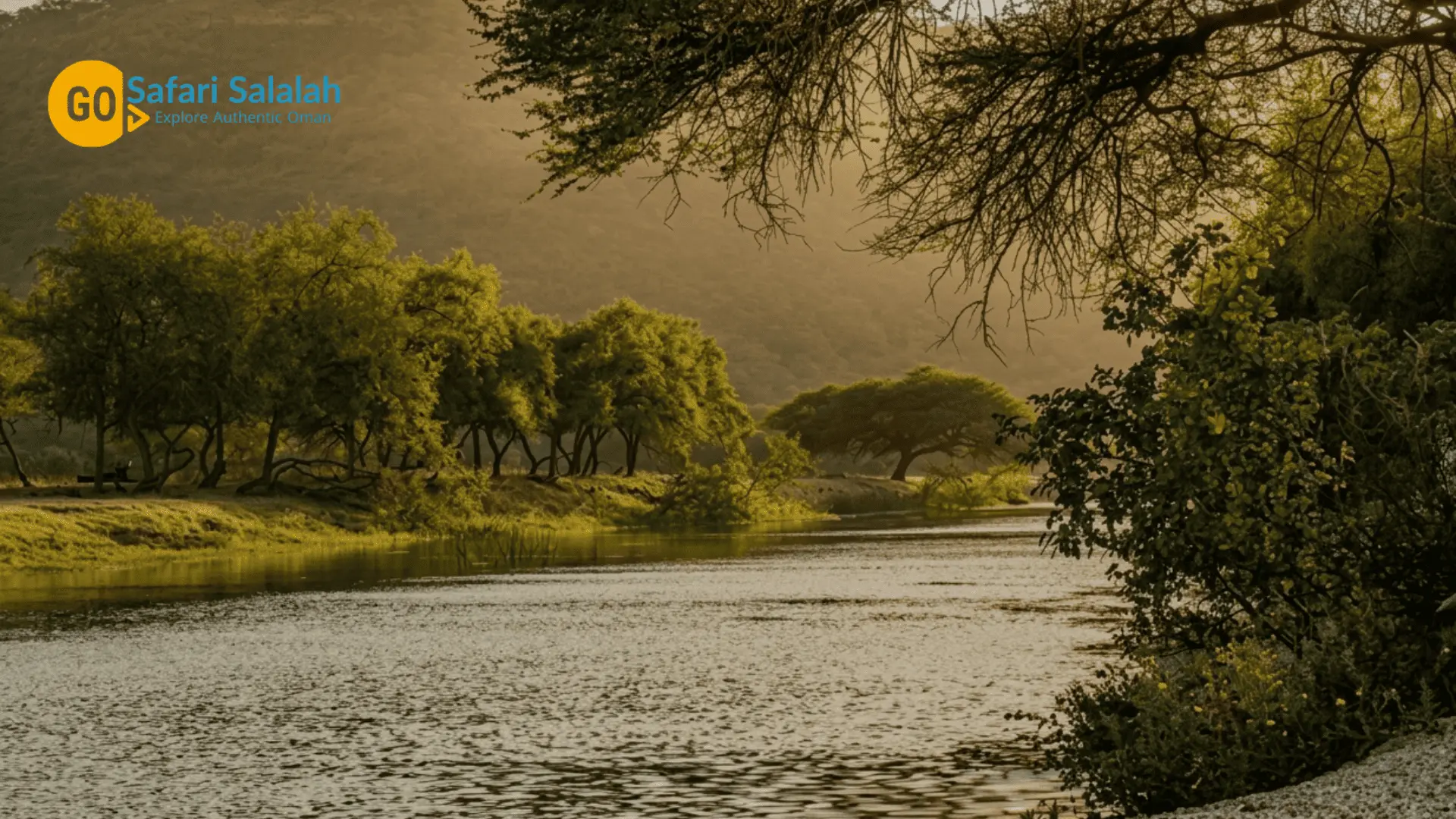
The end of the salalah khareef festival doesn’t mean the beauty fades; in fact, it matures. During salalah in october, the waterfalls like Wadi Darbat are still flowing at full capacity, but the blue of the sky provides a stunning contrast to the emerald water. Travelers who explore the Dhofar mountains after Khareef often report a more serene experience, as the large crowds have returned home, leaving the Salalah hidden gems to be discovered in peace. At Salalah Safari, we consider the Sarb season to be our “golden window” for deep desert and mountain expeditions.
Salalah in October: The Sweet Spot for Outdoor Adventure
If you are looking for the ultimate outdoor relaxation experience, salalah in october is the answer. The air is crisp, and the ground is still moist from the months of rain, creating a unique climate that feels more like the Mediterranean than the Middle East. The salalah weather in october typically hovers in the comfortable mid-20s (Celsius), making it ideal for long-distance hiking and mountain biking. This is the period when the landscape transitions from a misty rainforest to a sun-drenched tropical garden.
Activities Perfect for October
- Mountain Trekking: The trails in the Dhofar mountains after Khareef are finally dry enough to be safe but remain surrounded by lush vegetation.
- Beach Camping: With the monsoon waves subsiding, the beaches in October become safe for swimming and overnight camping.
- Bird Watching: October marks the beginning of the migratory season, where rare birds can be spotted in the lagoons (Khawrs) near the coast.
Why the Weather in October Changes Everything
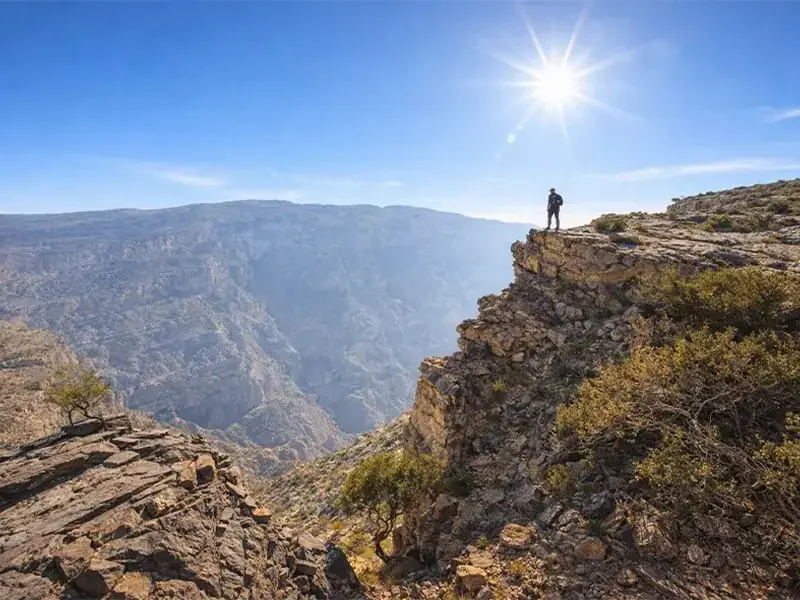
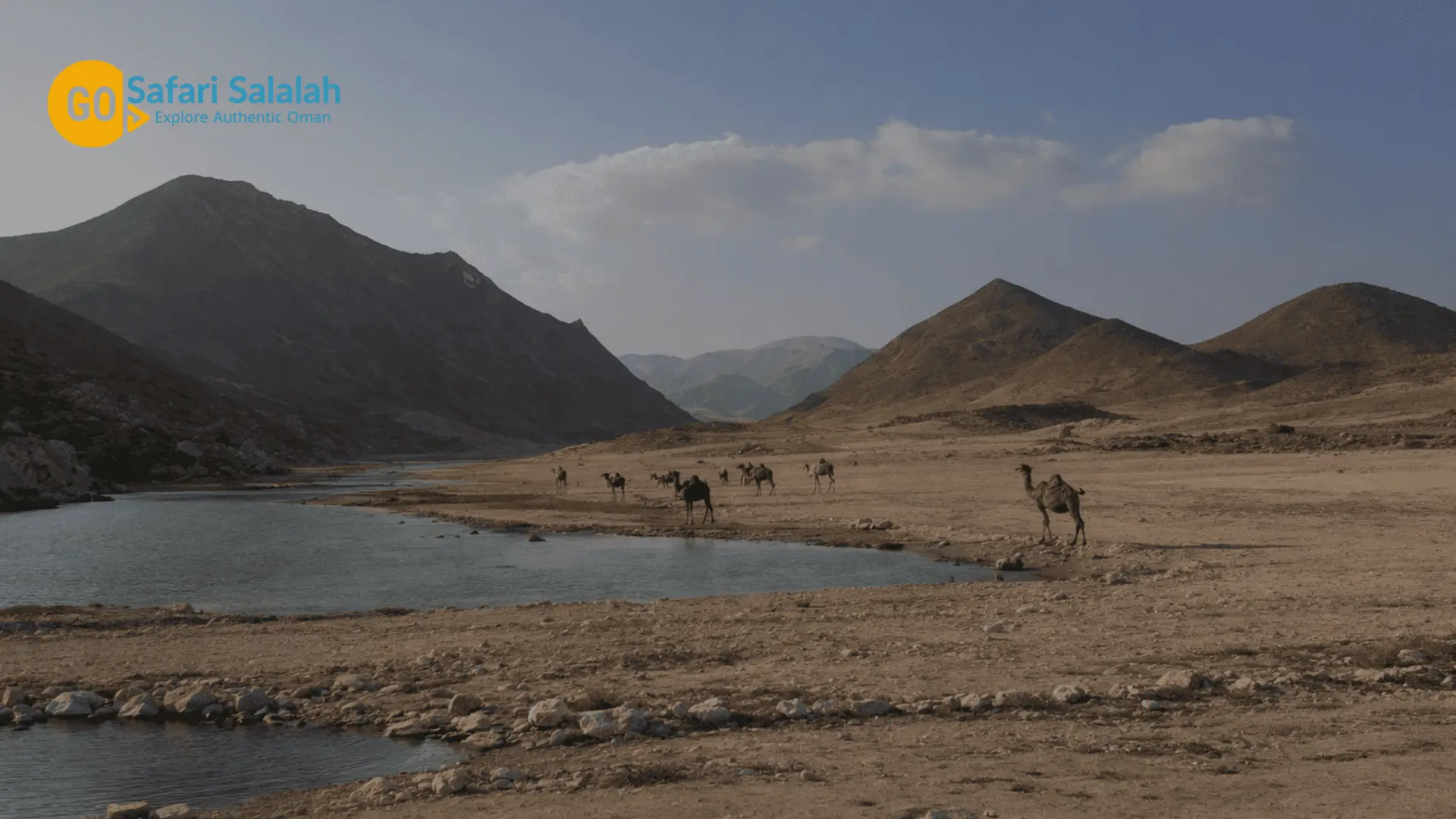
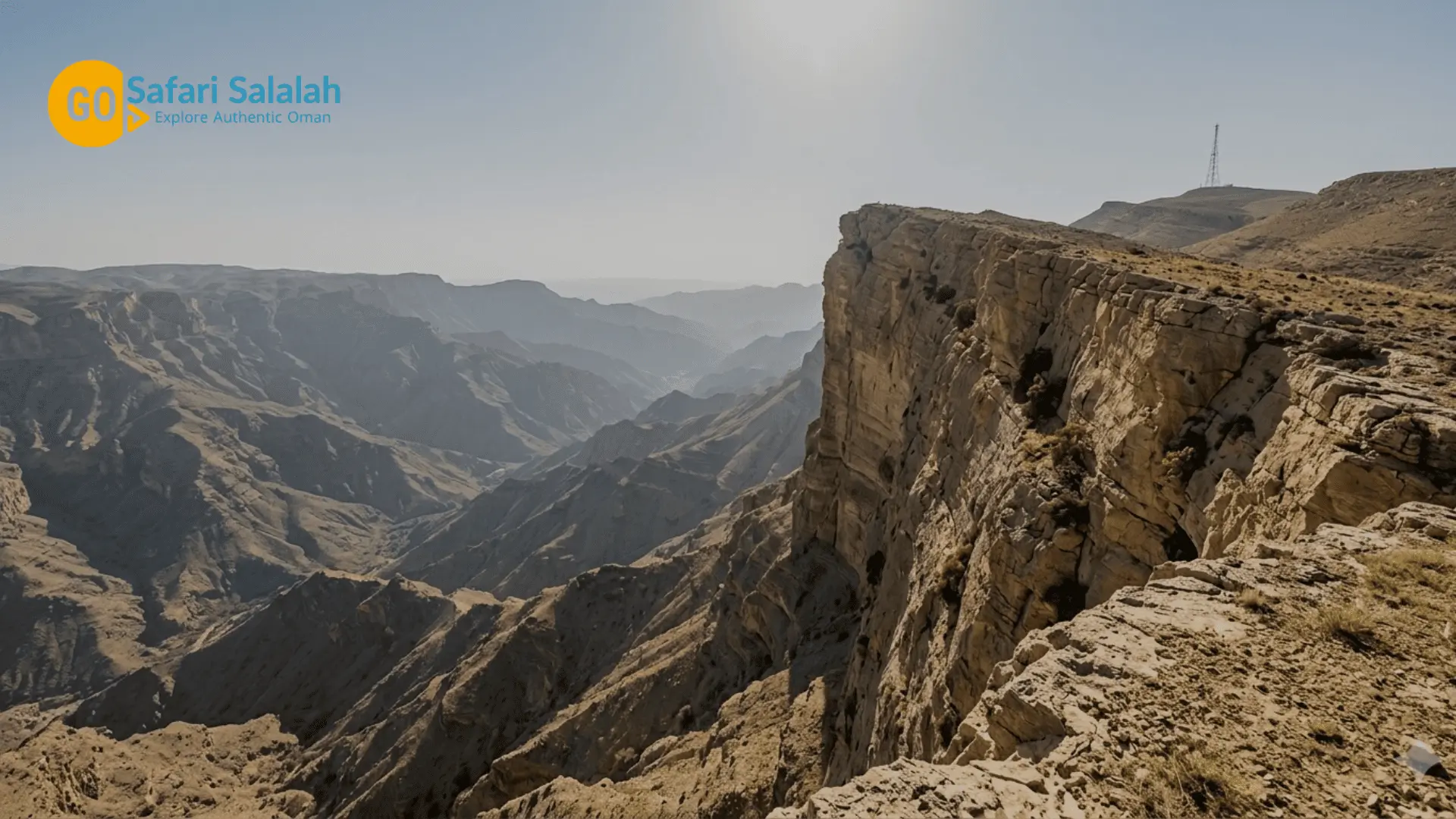
The shift in salalah weather in october opens up the world-famous “viewpoints” that are usually hidden behind a wall of white fog in August. Sites like Jebel Samhan offer a “cloud ocean” effect where you stand above the clouds under a bright blue sky. This visibility is essential for finding Salalah hidden gems—those secret viewpoints and ancient ruins that require clear landmarks to find. By visiting after the salalah khareef festival, you get the best of both worlds: the greenery of the tropics and the clarity of the desert.
The Grand Finale: Reflecting on the Salalah Khareef Festival
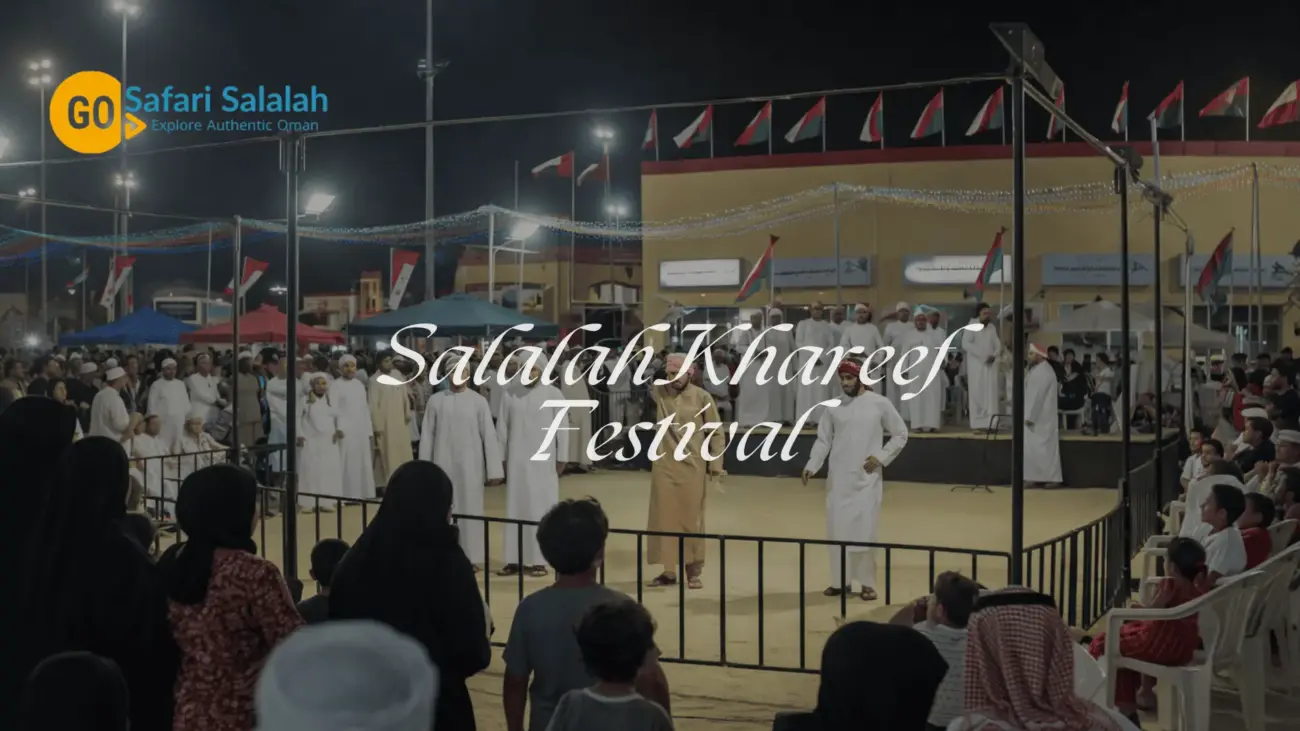
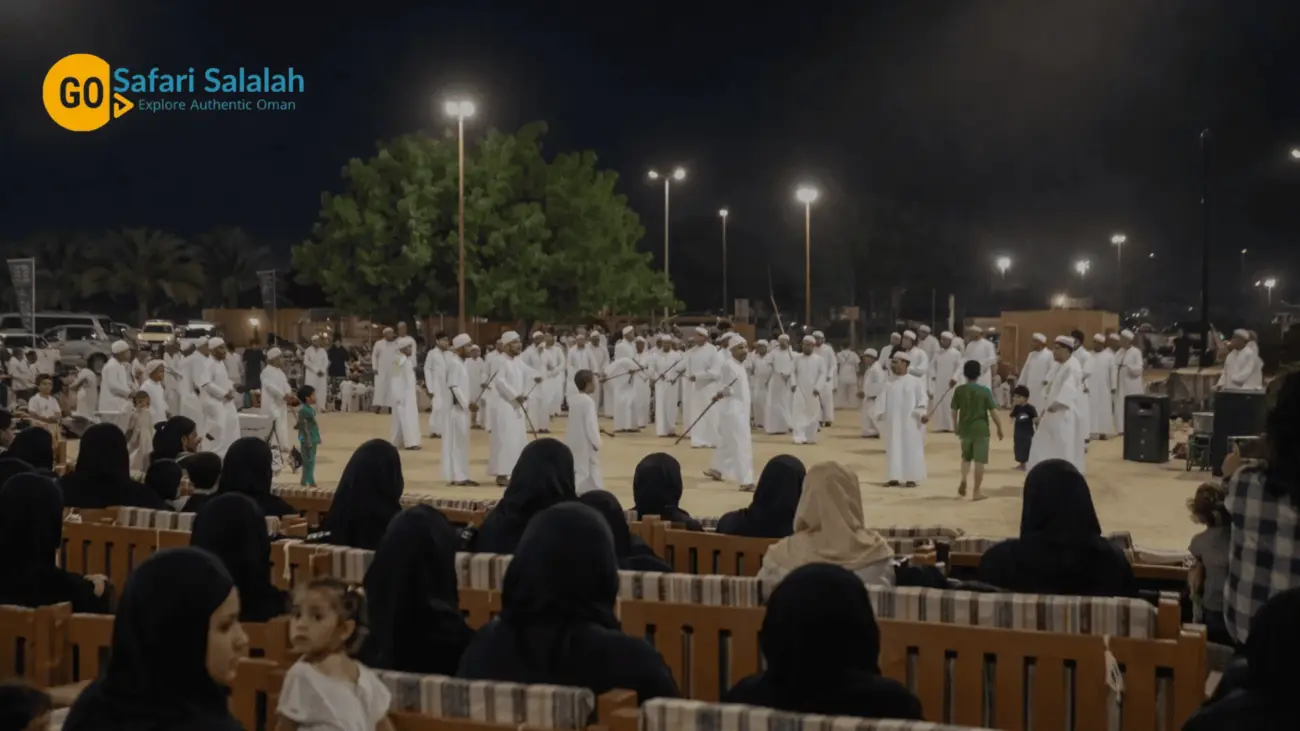
The salalah khareef festival is the cultural heart of the region, typically peaking in August with traditional dances, food stalls, and heritage performances. However, many visitors don’t realize that the “vibe” of the festival lingers long after the official events end. In the Sarb season Dhofar, you can still find many of the local markets and cultural sites active, but without the intense congestion. This allows for a deeper connection with the Al Kara tribes and the local traditions that define the Dhofar region.
Cultural Highlights Beyond the Peak
- Artisan Markets: You can still find the famous Dhofari frankincense and handmade pottery long after the salalah khareef festival stages are packed away.
- Authentic Cuisine: The seasonal food stalls that define the festival often stay open through October, serving fresh “Muthbe” to the local Sarb travelers.
- Heritage Sites: Visiting sites like Al Baleed and Sumhuram is much more comfortable in the salalah weather in october, allowing you to walk through history without the summer humidity.
From Festival Energy to Natural Serenity
While the salalah khareef festival is an explosion of energy and people, the transition into the Sarb season Dhofar offers a more contemplative luxury. You move from the organized celebrations to a more organic appreciation of the land. At Go Safari Salalah Tours, we help our guests bridge this gap by offering tours that focus on the “living heritage” of the Dhofar mountains after Khareef, where the stories of the frankincense trade come alive in the very valleys where the trees are currently being harvested.
Dhofar Mountains After Khareef: A Hiker’s Paradise
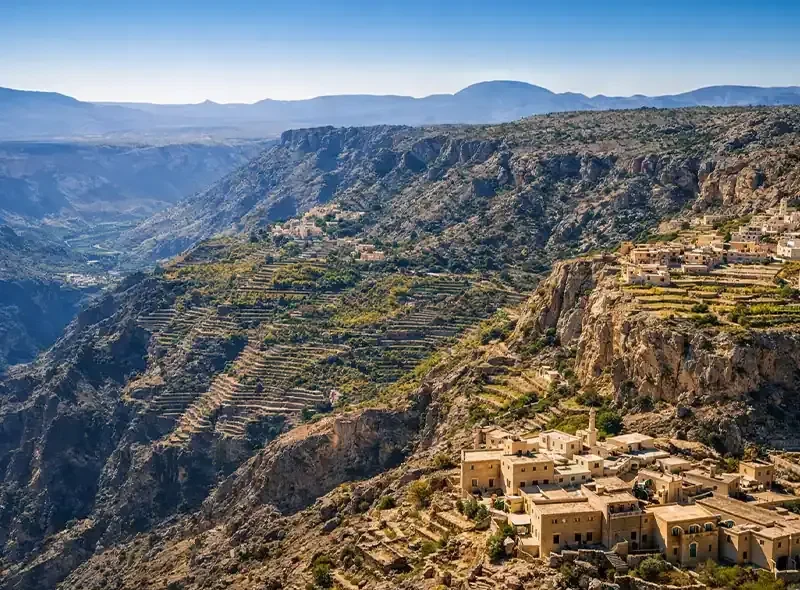
The Dhofar mountains after Khareef undergo a spectacular transformation. The heavy saturation of the soil leads to a secondary “bloom” as the sun returns. For hikers and explorers, this is the premier time to visit. The ground is no longer slippery and mud-clogged, which is a major safety concern during the monsoon. Instead, the trails are firm, the air is clear, and the Salalah hidden gems located in the high altitudes become accessible to those with a passion for trekking.
Discovering the High Peaks
- Jebel Samhan: Known as the highest point in Dhofar, it provides a dramatic cliff-edge experience that is best enjoyed during the Sarb season Dhofar.
- Jebel Al Qamar: Located to the west, these mountains offer steep zig-zag roads and hidden valleys that are finally visible in the salalah weather in october.
- Wadi Ashoq: A valley that retains its green pools long after the rains stop, making it a perfect spot for a post-Khareef picnic.
The Safety and Joy of Post-Monsoon Hiking
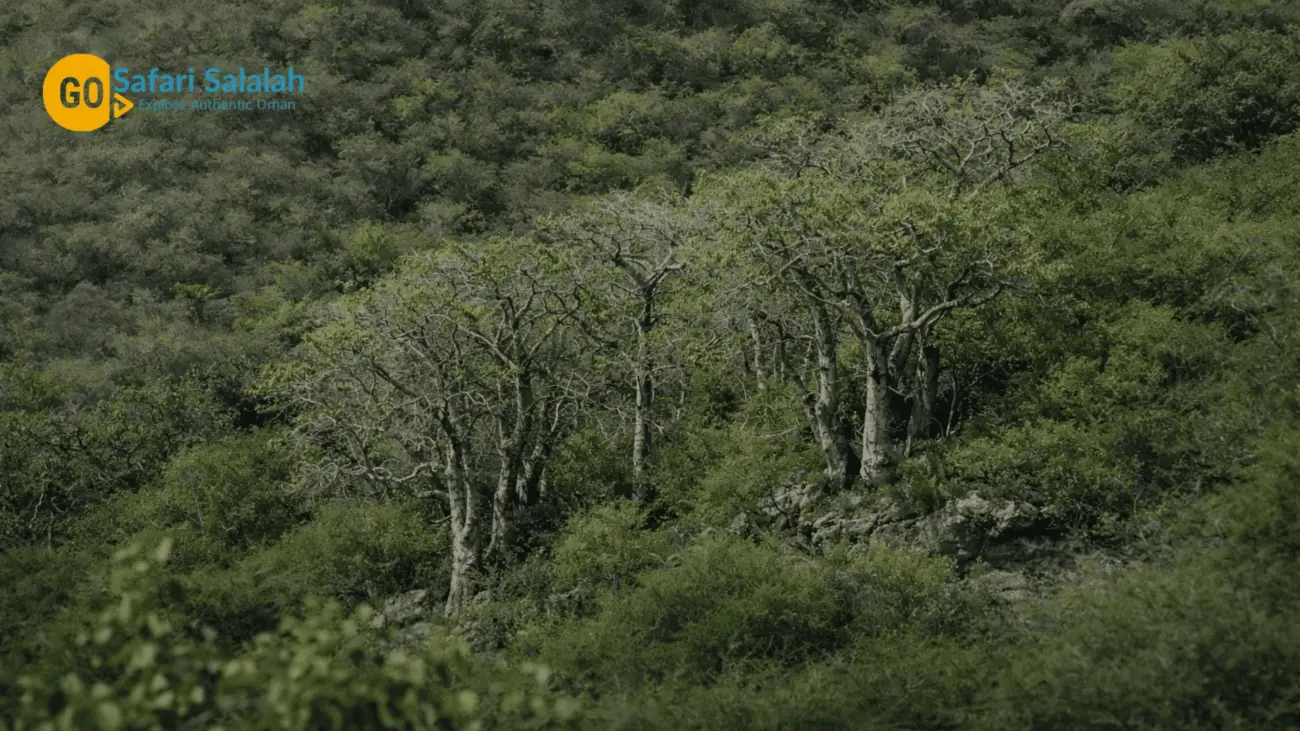
The primary advantage of exploring the Dhofar mountains after Khareef is the safety factor. During the salalah khareef festival, the mist is so thick that it is easy to lose your way. In October, the clear salalah weather in october ensures you can see your destination from miles away. This is the time when Go Safari Salalah Tours takes guests to the most remote “secret spots,” including ancient caves and hidden groves of baobab trees that are tucked away in the folds of the mountains.
Salalah Weather November: The Gateway to Winter
As the calendar turns, the salalah weather november marks the true beginning of the winter season, which is widely considered the best time for international travelers to visit the Middle East. While the vibrant green of the Sarb season Dhofar begins to fade into a golden amber, the temperatures become even more pleasant. November is the month of perfect “T-shirt weather,” with warm days and cool, refreshing nights that are perfect for stargazing in the Empty Quarter.
What to Expect in November
- Golden Landscapes: The Dhofar mountains after Khareef turn from green to gold, creating a “savannah” look that is reminiscent of East Africa.
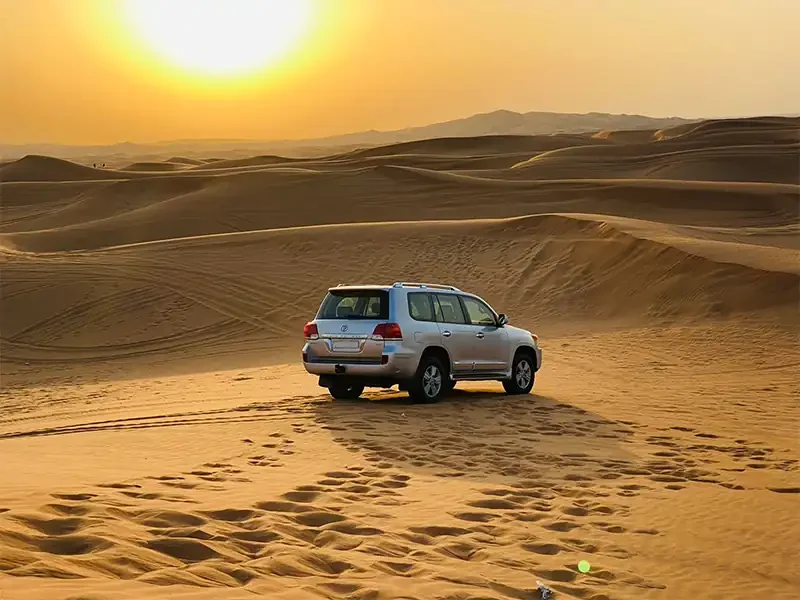
- Desert Expeditions: November is the ideal start for deep desert trips to the Rub’ al Khali, as the intense summer heat has vanished.
- Ocean Adventures: The sea is calm and crystal clear, making salalah weather november the peak time for dolphin watching and scuba diving.
Planning Your November Itinerary
If you missed the salalah khareef festival, don’t worry. November offers a completely different, yet equally compelling, version of Oman. The salalah weather november is perfect for those who want to combine a mountain retreat with a desert safari. You can spend your morning in the lingering greenery of the wadis and your evening under the vast desert sky. This versatility is why many luxury travelers prefer November over the busier monsoon months, seeking the quiet elegance that follows the Sarb season Dhofar.
Salalah Hidden Gems: Exploring Beyond the Tourist Maps
The beauty of visiting during the Sarb season Dhofar is that you have the visibility and the comfort to find the Salalah hidden gems that most people overlook. While everyone knows Wadi Darbat, few have seen the hidden sinkholes of Taiq or the secret coastal caves near Shaat. These locations are difficult to appreciate during the heavy rains of the salalah khareef festival, but they shine in the clear salalah weather in october.
Top Secret Spots to Visit
- The Baobab Forest: Located in Wadi Hinna, these ancient giants are at their most majestic in the Sarb season Dhofar.
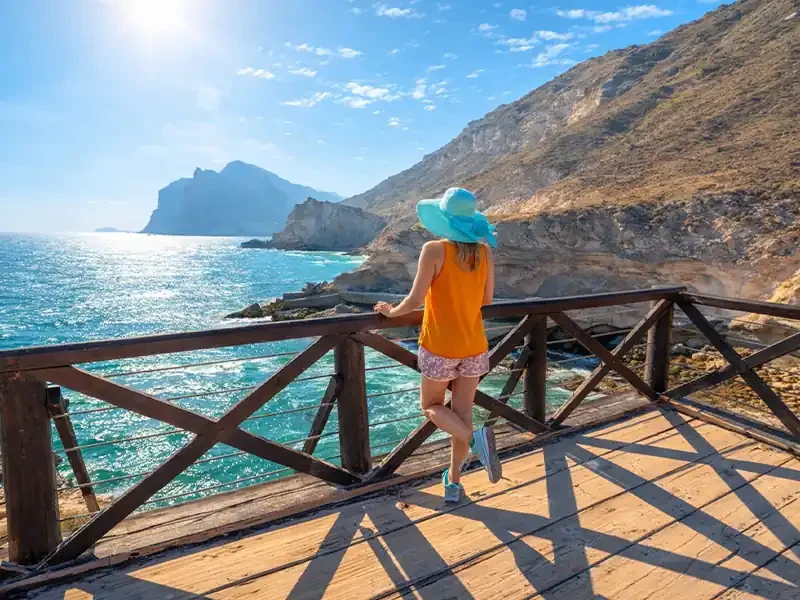
- Shaat Viewpoint: A dramatic cliff drop into the ocean that is often invisible during Khareef but offers a 100-mile view in October.
- Fazayah Beach: A pristine, turquoise bay that is only accessible when the mountain roads are dry and safe after the monsoon.
How to Find the Unseen
To truly find the Salalah hidden gems, you need local expertise. At Salalah Safari, we take pride in knowing the “back roads” of the Dhofar mountains after Khareef. We guide our guests to ancient megalithic sites and tribal burial grounds that are not on any Google Map. Exploring these sites in the perfect salalah weather november climate allows you to take your time and truly absorb the mystery of this ancient land, away from the commercial noise of the standard tourist trail.
The Science of the Sarb: Why it Stays Green
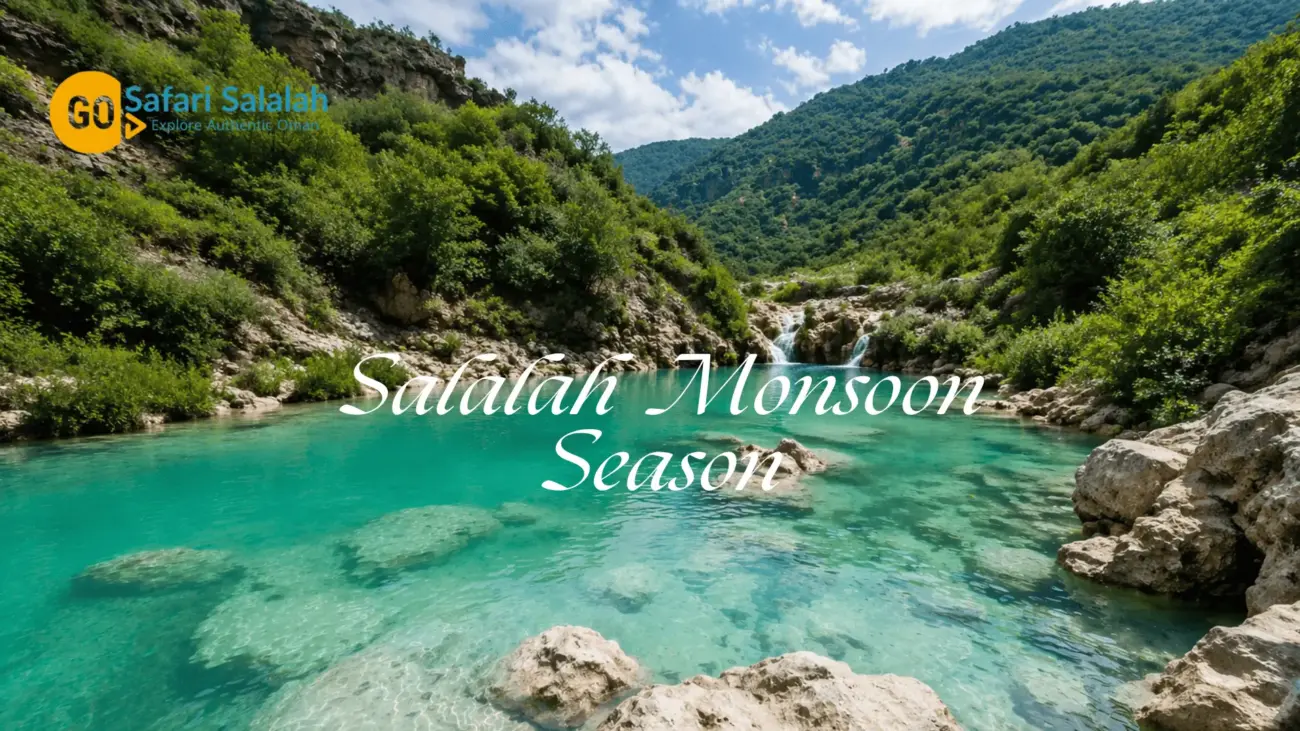
A common question from visitors is how the Dhofar mountains after Khareef stay so green even when the rain stops. The answer lies in the “sponge effect” of the limestone mountains. During the salalah khareef festival, the mountains absorb billions of gallons of water. In the Sarb season Dhofar, this water slowly seeps out through thousands of small springs (Ayns), keeping the vegetation alive for months. This is why salalah in october still looks like a tropical paradise even though the sun is out.
The Biological Miracle of Dhofar
- Limestone Aquifers: The geology of the Dhofar mountains after Khareef acts as a natural reservoir, feeding the waterfalls well into the winter.
- Secondary Growth: Many plants in Dhofar have adapted to bloom specifically in the Sarb season Dhofar to take advantage of the insect activity that follows the rains.
- Coastal Humidity: Even without rain, the humidity in the salalah weather in october provides enough moisture for the frankincense trees to thrive.
Witnessing the “Slow Fade” of Green
Watching the transition from the salalah khareef festival to the golden hills of salalah weather november is a masterclass in nature’s resilience. It is a slow, beautiful process that offers different photo opportunities every week. For those who value botany and geology, the Sarb season Dhofar provides the best conditions to study the unique flora of Oman, such as the Dragon Blood trees and the Adenium obesum (Desert Rose), which bloom brilliantly as the monsoon mists clear.

Sarb Season Photography: Capturing the “Spring” of Arabia
For photographers, the salalah weather in october is the most sought-after light in the region. During the salalah khareef festival, the light is flat and grey due to the clouds. However, in the Sarb season Dhofar, you get the “Golden Hour” back. The combination of vivid green mountains, blue skies, and the golden sunlight creates a color palette that is unique to the Dhofar mountains after Khareef.
Photography Tips for Sarb and November
- Contrast Play: Use the blue sky to make the green of the Salalah hidden gems pop in your compositions.
- Macro Opportunities: October is the peak time for insects and flowers, offering incredible macro photography in the wadis.
- Drone Heaven: Since the heavy winds of Khareef have died down, salalah weather november is the best time for drone photography over the coastal cliffs.
Capturing the Essence of Dhofar
At Go Safari Salalah Tours, we often host specialized photography tours during the Sarb season Dhofar. We understand that the “perfect shot” requires being at the right place at the right time—usually a hidden ridge in the Dhofar mountains after Khareef at sunrise. Whether you are a professional or an Instagram enthusiast, the clarity of salalah in october ensures that your photos will look like they belong in National Geographic.
Culinary Delights of the Sarb Season: Fresh and Local
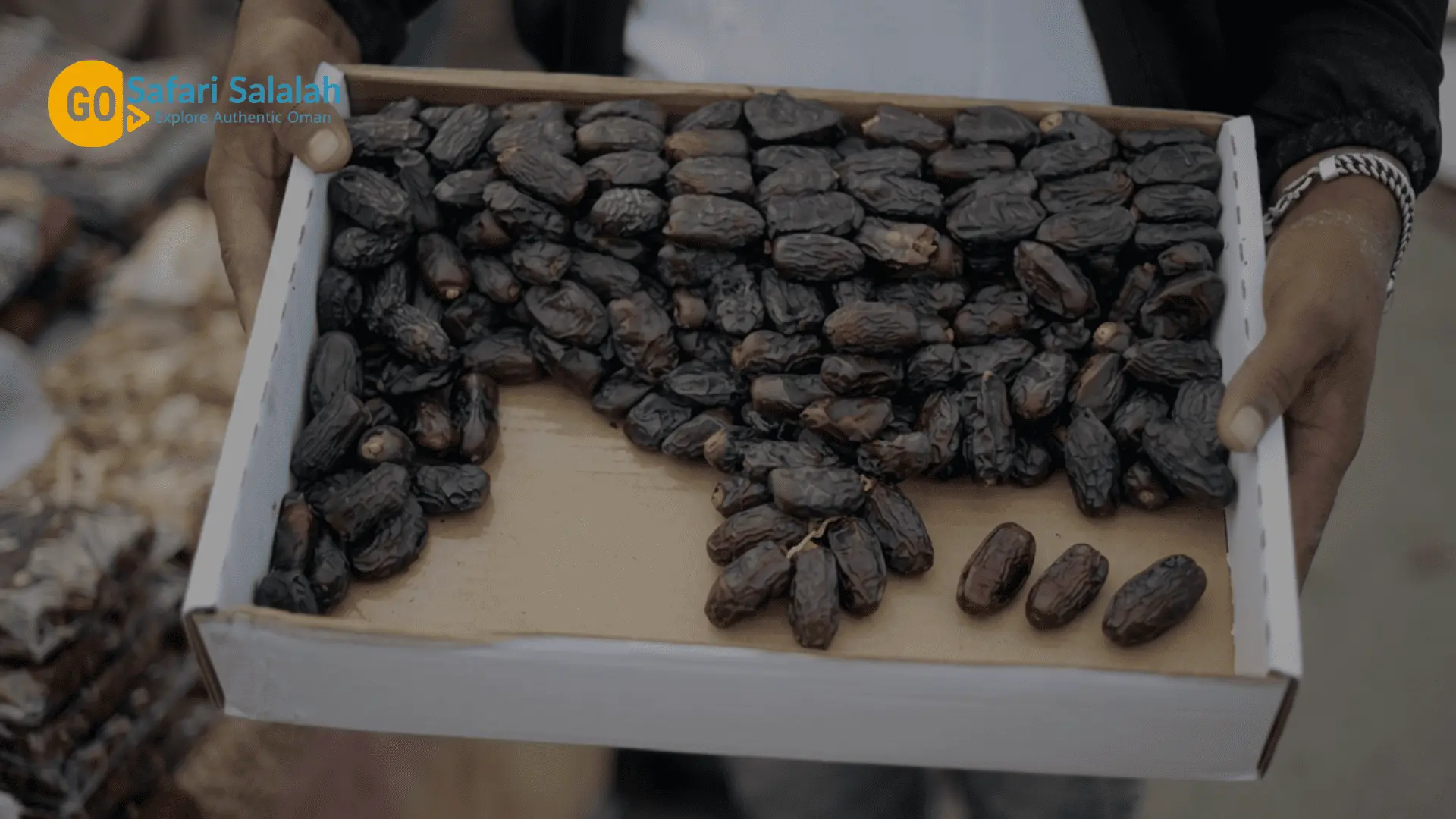
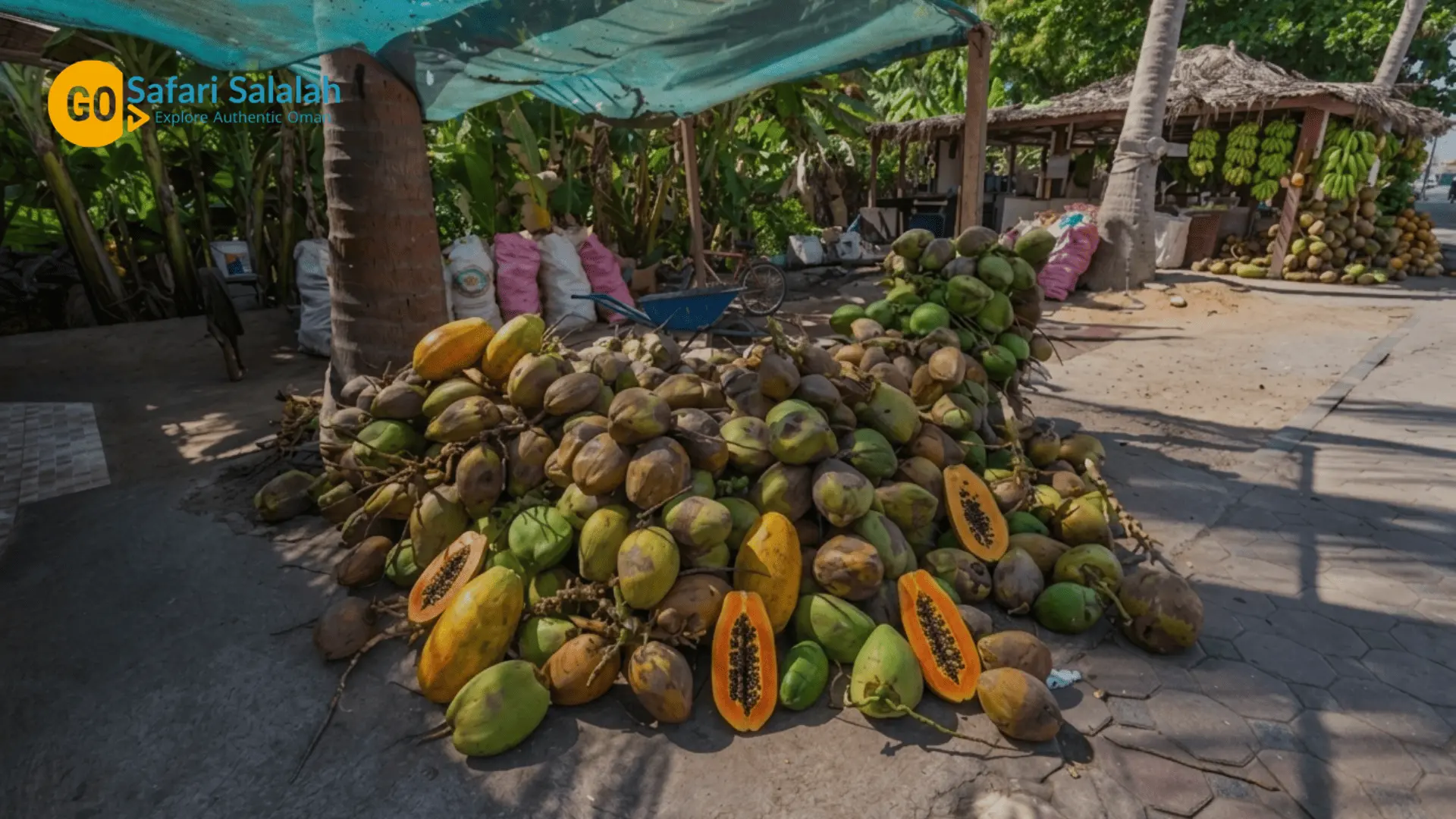
The end of the salalah khareef festival marks the beginning of the harvest for many local fruits and vegetables. When you visit in salalah in october, the local markets are overflowing with fresh produce that has been nourished by the monsoon rains. The culinary experience in the Sarb season Dhofar is a mix of traditional mountain food and the fresh bounty of the sea, which becomes more accessible as the ocean calms down.
Seasonal Tastes to Try
- Fresh Papayas and Coconuts: The roadside stalls near the Salalah hidden gems offer the sweetest fruit during the October harvest.
- Dhofari Honey: The bees are most active during the Sarb season Dhofar, producing rich, medicinal honey from the wildflowers of the mountains.
- Abul (Camel Milk): A staple that is always available, but particularly refreshing during a hike in the Dhofar mountains after Khareef.
Dining Al Fresco in October
One of the greatest joys of the salalah weather in october is the ability to dine outdoors. While the monsoon makes outdoor picnics difficult due to the dampness, October offers the perfect dry, cool evening for a traditional barbecue. Many of the Salalah hidden gems we visit with our guests include a stop for a traditional meal prepared over an open fire, allowing you to taste the smoke and spice of Oman while surrounded by the silence of the post-Khareef wilderness.
The Magic of “Golden Light”: Why November is a Photographer’s Dream
While the salalah khareef festival is famous for its misty atmosphere, professional photographers often wait for November to capture the region’s true scale. This period marks the arrival of the “Golden Light.” Unlike the flat, grey lighting found during the monsoon, November offers sharp shadows and warm tones that bring the landscape to life. As the mists clear, the Dhofar mountains after Khareef start to take on a stunning golden hue, especially during sunset. This crystal-clear visibility showcases the Salalah hidden gems with incredible sharpness, making it the ultimate time to capture the dramatic contrast between the emerald mountains and the deep blue Arabian Sea.