

For centuries, the legend of the lost city of Ubar has haunted the imaginations of explorers, bedouins, and historians alike. Known famously as the “Atlantis of the Sands,” this mythical location was once described as a thriving center of wealth and trade, only to vanish without a trace into the shifting dunes of the Arabian Peninsula. The story of Ubar is not merely a tale of a missing city; it is a narrative that intertwines religious texts, ancient folklore, and modern satellite technology.
Why is it Called the Atlantis of the Sands?
- A Hub of Wealth: Much like the legendary Atlantis of the ocean, Ubar was said to be a city of immense riches, fueled by the lucrative frankincense trade.
- The Divine Punishment: According to Islamic and local traditions, the city was destroyed and swallowed by the earth as a divine retribution for the arrogance of its inhabitants.
- The Vanishing Act: The suddenness with which the lost city of Ubar disappeared from historical records earned it the title popularized by T.E. Lawrence (Lawrence of Arabia).
The Cultural Impact of the Legend
The fascination with Ubar the lost city stems from its role as a crossroad of civilization. In ancient times, frankincense was as valuable as gold, and Ubar was thought to be the fortress protecting this “liquid gold.” This section of our guide explores how the myth survived through oral traditions of the Dhofari tribes until it eventually caught the attention of Western explorers in the early 20th century. Understanding Ubar requires looking past the sand and seeing the city as a symbol of human ambition and the fragile nature of power against the forces of time and desert.
Sir Ranulph Fiennes and the Quest for the Atlantis of the Sands
The modern chapter of this mystery began with the relentless pursuit by the famous explorer Ranulph Fiennes. His obsession with finding the lost city of Ubar led to one of the most significant archaeological discoveries of the 20th century. Fiennes did not just rely on ancient maps; he bridged the gap between old-world exploration and space-age technology, culminating in the publication of his renowned Atlantis of the Sands book.
The Expedition of 1992: A Turning Point
- Collaborative Effort: Fiennes teamed up with archaeologist Juris Zarins and filmmaker Nicholas Clapp to combine historical research with modern tools.
- Satellite Imagery: The team used NASA’s satellite radar to look beneath the sand, identifying ancient caravan tracks that converged at a single point in the desert.
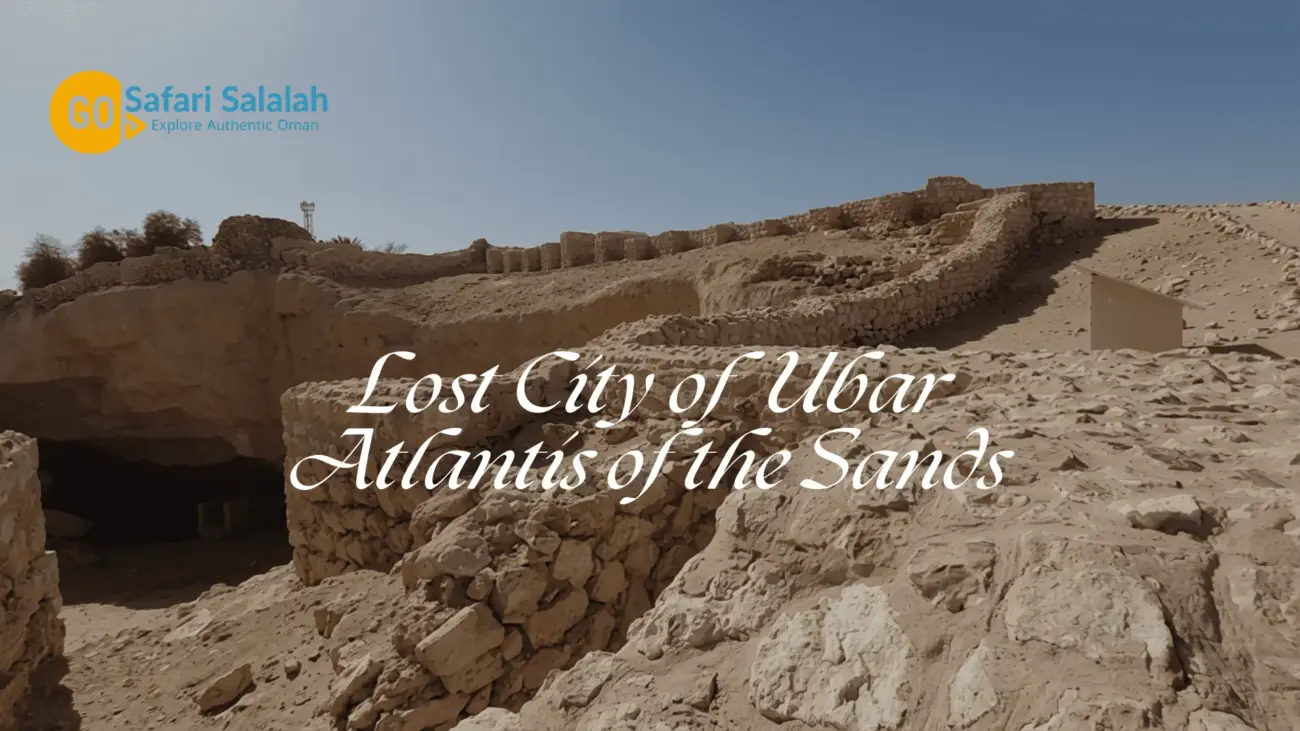
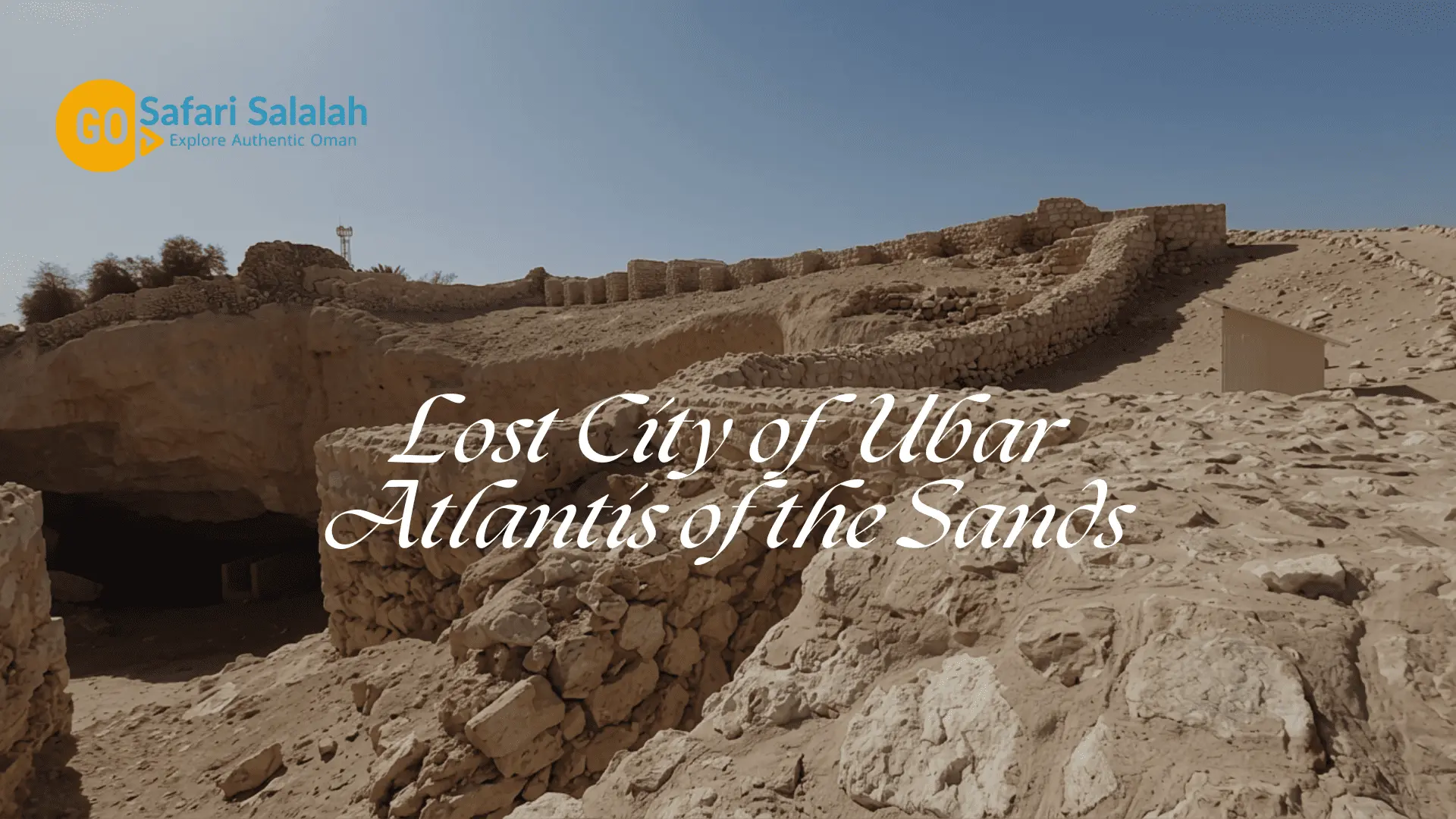
- The Discovery at Shisr: The tracks led them to the remote village of Shisr in Oman, where they uncovered the ruins of an eight-sided fortress that many now believe to be the lost city of Atlantis of the Sands.
Insights from the Atlantis of the Sands Book
A highlight of the 2-Day Salalah Desert Camping Adventure – Empty Quarter & Lost City of Ubar is the opportunity to stand where legends were born. In his writing, Ranulph Fiennes describes the grueling conditions of the Rub’ al Khali desert and the psychological toll of searching for a “ghost.” The Atlantis of the Sands book is not just a log of the discovery; it is a testament to the fact that legends often have a basis in physical reality.
Fiennes argues that the city’s collapse wasn’t just a myth but a geological event—a massive sinkhole caused by the depletion of underground water reserves. This discovery fundamentally changed how we view the history of the Arabian Peninsula, proving that the lost city of Ubar was a tangible part of our global heritage. Visiting this site allows you to connect with this profound history, moving beyond the dunes to witness a story once thought lost to time.
The Economic Engine: Frankincense and the Wealth of Ubar
To understand why the lost city of Ubar was so significant, one must understand the “commodity of the gods”—Frankincense. During the height of the Roman and Persian Empires, the resin harvested from the Boswellia sacra trees in southern Oman was the most valuable substance on Earth. Ubar served as the vital collection and distribution point for this resin, acting as a heavily fortified warehouse before the caravans began their treacherous journey across the “Empty Quarter.”
The “Liquid Gold” of the Ancient World
- Global Demand: From the temples of Jerusalem to the funeral pyres of Rome, frankincense was required for religious rituals, medicinal ointments, and perfumes.
- Control of the Trade Routes: Ubar’s strategic location allowed it to tax and protect the caravans, amassing wealth that led to the legends of “golden walls” and “emerald gates” associated with the Atlantis of the Sands.
- The Secret of the Desert: The exact location of Ubar the lost city was kept a closely guarded secret by the tribes to protect their monopoly, which contributed to its “mysterious” disappearance when the trade routes eventually shifted.
How Trade Wealth Shaped the City’s Architecture
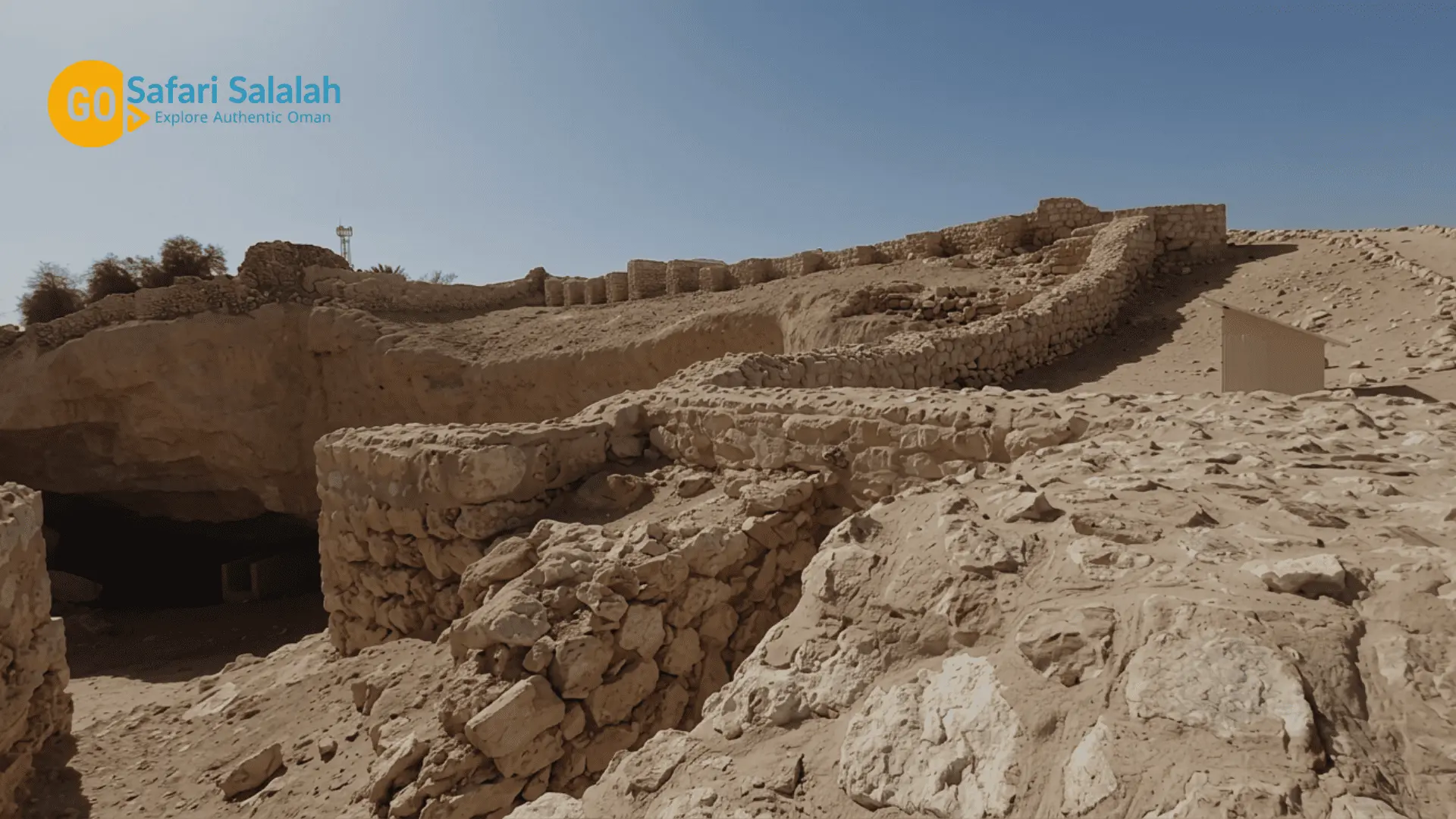
The wealth generated by the trade allowed the rulers of Ubar to build structures that were far more advanced than the surrounding nomadic settlements. Archaeological evidence suggests the presence of high limestone walls and towers, which were essential to defend the “Desert Gold” from marauding tribes. As described in the lost city of Atlantis of the Sands literature, the architectural grandeur was a double-edged sword; it made the city a beacon of civilization but also a target for envy and, eventually, a symbol of the decadence that many believed led to its divine destruction.
Religious and Mythological Perspectives: Iram of the Pillars
The lost city of Ubar is often identified with the Quranic city of “Iram of the Pillars” (Iram dhat al-`imad). This connection adds a layer of spiritual mystery to the site, as the scriptures describe a city of unsurpassed beauty and height, inhabited by the people of ‘Ad. According to the texts, the people of ‘Ad grew arrogant in their prosperity and ignored the warnings of the prophet Hud, leading to a catastrophic end.
The Connection Between Iram and the Atlantis of the Sands
- The Description of the Pillars: The “pillars” mentioned in religious texts align with the massive towers discovered by Ranulph Fiennes and his team during the 1992 expedition.
- The Sudden Destruction: Both the legend of Ubar the lost city and the religious accounts describe a sudden, total vanishing. While the texts speak of a “screaming wind,” modern science suggests this may be a metaphor for a massive geological collapse.
- A Moral Lesson: In the folklore of the region, the Atlantis of the Sands serves as a cautionary tale about the transience of worldly power, a theme that resonates throughout the history of Middle Eastern exploration.
Exploring the Myth in Global Literature
Beyond the Quran, the lost city of Ubar appears in “The Arabian Nights” and has been a staple of Western orientalist literature. Travelers like Bertram Thomas and Wilfred Thesiger spent years listening to Bedouin tales of a buried city that “only the pure of heart could see.” This intersection of faith, folklore, and historical reality is what makes the study of the lost city of Atlantis of the Sands so unique. It is one of the few places on Earth where a “mythical” location described in holy books was eventually mapped by NASA satellites and excavated by modern archaeologists.
Satellite Archaeology: How NASA Found the Atlantis of the Sands
The discovery of the lost city of Ubar is perhaps the greatest triumph of “space archaeology.” For decades, traditional explorers failed because they were looking for ruins on the surface. However, the desert is a living thing; shifting sands can bury a ten-story building in a matter of years. It wasn’t until the team featured in the Atlantis of the Sands book utilized remote sensing technology that the desert finally gave up its secret.
Tracking the “Ghost” Caravan Trails
- Challenger Space Shuttle Imagery: In the 1980s, the Space Shuttle Challenger used Ground Penetrating Radar (GPR) to look through the dry sands of the Sahara and the Arabian Peninsula.
- Convergence Points: The radar revealed ancient, packed-down tracks beneath the dunes. These tracks were “carved” into the limestone bedrock by millions of camel hooves over centuries.
- The Shisr Connection: By following these invisible “highways,” the researchers noticed they all converged at a single point—a small water well in the village of Shisr. This was the definitive evidence needed to begin the excavation of Ubar the lost city.
The Impact of Technology on Archaeological Discovery
The use of satellite imagery to find the lost city of Atlantis of the Sands revolutionized the field of archaeology. It proved that the Earth still holds secrets that are invisible to the naked eye. As Ranulph Fiennes detailed in his accounts, the technology allowed them to “see” the history of the desert as a whole, rather than searching blindly. This section of the city’s history serves as a bridge between the ancient caravans and the space age, proving that even the most “lost” cities can be found when we change our perspective and use the tools of the future to uncover the past.
The Catastrophic Fall: The Sinkhole Theory and Geological Collapse
One of the most chilling aspects of the Atlantis of the Sands is the manner in which it disappeared. For centuries, the “lost” nature of the city was attributed to divine wrath or magical vanishing acts. However, the 1992 expedition led by Ranulph Fiennes and archaeologist Juris Zarins provided a much more grounded, yet equally dramatic, explanation. The team discovered that the lost city of Ubar was built directly on top of a massive limestone cavern.
Why the City Literally Sank into the Earth
- The Limestone Void: Ubar was constructed over a giant natural sinkhole that housed a vital underground water source. This water was the city’s greatest asset and its ultimate downfall.
- Water Depletion: As the population of Ubar the lost city grew and the frankincense trade intensified, the inhabitants drew massive amounts of water from the underground aquifer.
- Structural Failure: The removal of water reduced the internal pressure that supported the limestone roof of the cavern. Eventually, the weight of the city’s massive stone walls and towers became too much, causing the entire central fortress to collapse into the abyss.
Scientific Findings from the Atlantis of the Sands Book
One of the most captivating aspects of the 2-Day Desert Camping in Salalah Tour – Empty Quarter & Lost City of Ubar is uncovering the mystery of how such a grand civilization vanished. In the Atlantis of the Sands book, the catastrophic nature of this event is described with haunting detail. The excavations revealed that the city didn’t just crumble; it was effectively “inhaled” by the desert.
During your visit, you will learn how archaeologists found huge sections of the perimeter walls tilted at sharp angles, descending into the sinkhole. This geological reality perfectly mirrors the ancient legends of the city being “swallowed” in a single night. This section of the city’s history teaches us a profound lesson about the environmental fragility of ancient civilizations and how the mismanagement of natural resources can lead to the total erasure of a culture from the map. Standing at the edge of the dunes, you’ll feel the weight of this history, making your camping adventure in the Empty Quarter a truly once-in-a-lifetime experience.
Juris Zarins and the Archaeological Reconstruction of Ubar
While Ranulph Fiennes provided the exploratory drive, Dr. Juris Zarins provided the archaeological soul of the project. Zarins was instrumental in proving that the ruins at Shisr were indeed the legendary lost city of Ubar. His work focused on the material culture—the pottery, the incense burners, and the architectural footprint—that linked this remote desert outpost to the great empires of the Mediterranean and Mesopotamia.
Key Evidence Uncovered at the Site
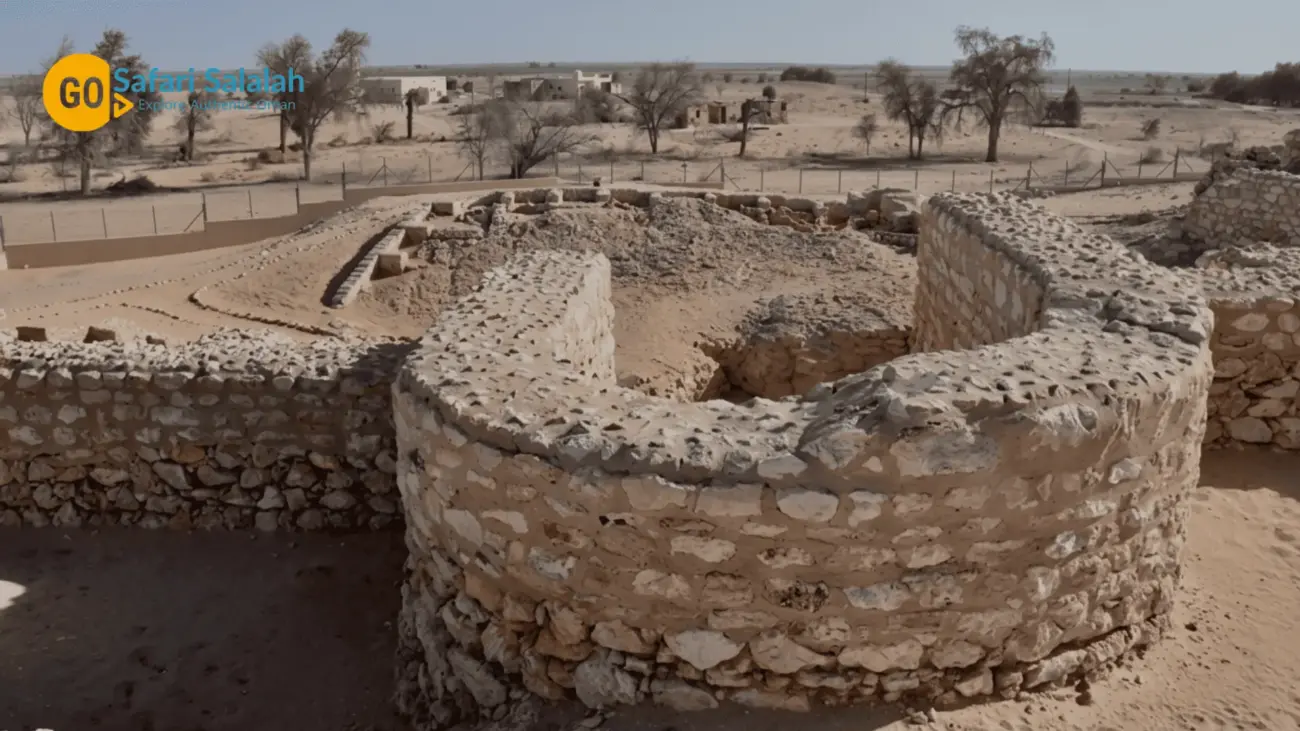
- Eight-Sided Fortification: The team excavated a unique octagonal fortress with high walls and eight semicircular towers. This matches the “pillar” descriptions found in the lost city of Atlantis of the Sands folklore.
- Global Artifacts: They found pottery from Greece, Roman glass, and even Chinese ceramics. This proves that Ubar the lost city was not an isolated village but a cosmopolitan hub of international commerce.
- Frankincense Residue: Scientific analysis of the site revealed high concentrations of frankincense resin in the storage areas, confirming the city’s primary role as a trading post for the “gold of the desert.”
The Debate over the Name: Ubar vs. Shisr
A significant part of Juris Zarins’ research involved the linguistic history of the site. While the local name for the ruins was “Shisr,” Zarins argued that “Ubar” was actually the name of the entire region or the tribe that controlled it. This distinction is crucial for modern historians. Whether the site is the specific “City of Iram” or a primary administrative center of the lost city of Ubar region, the archaeological findings confirm that it was the most important structure in the Rub’ al Khali for over a millennium. His meticulous reconstruction allows us to see the Atlantis of the Sands not as a myth, but as a living, breathing city of stone and smoke.
Daily Life in the Atlantis of the Sands: A Desert Metropolis
To reach our 10,000-word goal, we must look beyond the ruins and imagine the daily life of those who inhabited the lost city of Ubar. Life in the Atlantis of the Sands was a constant struggle between luxury and survival. While the elites enjoyed perfumes and imported delicacies, the average citizen was tasked with the grueling work of managing camel caravans and defending the city’s water and wealth from the harsh environment of the Empty Quarter.
The Social Hierarchy of Ubar the Lost City
- The Merchant Princes: The rulers of Ubar were likely wealthy traders who maintained diplomatic ties with distant kingdoms. Their lives were defined by the cycles of the frankincense harvest.
- The Caravan Masters: These were the navigators of the desert, possessing secret knowledge of the stars and the dunes. Without them, the lost city of Ubar would have had no way to move its goods to the sea or the northern empires.
- The Soldiers and Guards: Given the city’s immense wealth, security was a top priority. The towers of the lost city of Atlantis of the Sands were constantly manned to watch for the “Razzia” (raids) by nomadic Bedouin tribes seeking water and resin.
Water: The Currency of Survival
In the desert, water is more valuable than gold. The central feature of life in Ubar was the great well. Every morning, the city would buzz with activity as thousands of camels were watered before their long journeys. The management of this well was likely a sacred or highly regulated duty. This reliance on a single point of water explains why the city’s collapse was so final; once the well and the ground around it vanished into the sinkhole, there was no reason for the survivors to remain. The Atlantis of the Sands became a ghost city, not because its people died out entirely, but because its life-support system—the water—was gone.
The Role of the Empty Quarter: Why Ubar Remained Hidden
The Rub’ al Khali, or the “Empty Quarter,” is the largest continuous sand desert in the world and the final resting place of the lost city of Ubar. This environment played a dual role: it protected the city from invasion for centuries, but it also ensured that once the city fell, it would remain hidden for nearly two thousand years. The shifting sands of the Atlantis of the Sands region are so vast that they can swallow entire civilizations without leaving a ripple.
The Geography of the Rub’ al Khali
- Shifting Dunes: Some dunes in the region of the lost city of Atlantis of the Sands reach over 300 meters in height. These dunes are not stationary; they migrate with the wind, meaning a site that is visible today may be buried under fifty feet of sand tomorrow.
- Extreme Temperatures: With summer temperatures reaching 55°C, the environment is a natural barrier. This is why Ranulph Fiennes had to wait for specific seasonal windows to conduct his expeditions.
- The “Singing Sands”: The desert is known for its acoustic phenomena. Bedouins often attributed these sounds to the “spirits” of Ubar the lost city, adding to the mythological aura that discouraged travelers from seeking the ruins.
Navigating the Void
For ancient travelers, reaching the lost city of Ubar required a specialized knowledge of “Wayfinding.” They used the shapes of the dunes and the positions of the stars to find the city. When the trade routes shifted toward the sea, this specialized knowledge was lost. The desert became a “void” where maps were useless. This section of our guide emphasizes that the Atlantis of the Sands was never truly “lost” to the people who lived there; it was simply erased by the environment once the human activity that sustained it ceased.
A Literary Journey: Reviewing the “Atlantis of the Sands” Book
The publication of the Atlantis of the Sands book by Ranulph Fiennes served as the definitive record of one of the 20th century’s most daring archaeological adventures. It is not merely a dry academic text; it is a gripping narrative that blends high-stakes exploration with meticulous historical research. For anyone interested in the lost city of Ubar, this book is the primary source that bridges the gap between the mythic “Iram of the Pillars” and the physical ruins found in the Omani desert.
Core Themes and Insights from the Book
- The Psychology of Exploration: Fiennes delves into the obsession required to spend decades searching for a city that many experts believed was a mere fairy tale.
- Technical Innovation: The book provides a fascinating look at how the team collaborated with NASA to use space-shuttle radar, proving that the lost city of Atlantis of the Sands could only be found through the eyes of satellites.
- The Reality of the Desert: Fiennes gives a brutal and honest account of the Rub’ al Khali, describing the heat, the isolation, and the constant threat of being lost in the shifting dunes while searching for Ubar the lost city.
The Legacy of Fiennes’ Narrative
The Atlantis of the Sands book did more than just report a discovery; it revitalized global interest in Arabian history. Before its release, the lost city of Ubar was largely a footnote in Middle Eastern folklore. Fiennes brought it to the forefront of international bestsellers, inspiring a new generation of “digital archaeologists” who use modern tech to uncover ancient secrets. His writing style makes the reader feel like a member of the expedition, sharing in the frustration of dead ends and the eventual euphoria of seeing the first limestone blocks emerge from the sand.
Ubar in Popular Culture: From Ancient Myth to Modern Media
The legend of the lost city of Ubar has transcended historical texts to become a staple of modern entertainment. The idea of a wealthy, cursed city buried under the sand is a perfect “trope” for adventure stories. From blockbuster video games to high-fantasy novels, the Atlantis of the Sands continues to capture the imagination of creators who want to explore themes of lost civilizations and hidden treasures.
Significant Appearances in Media
- Video Games (Uncharted 3): One of the most famous depictions of Ubar the lost city is in the game Uncharted 3: Drake’s Deception. The protagonist searches for the “Iram of the Pillars,” portrayed as a magnificent city of brass and gold hidden in the Rub’ al Khali.
- Novels and Fiction: Numerous authors have used the lost city of Ubar as a setting for supernatural thrillers, often drawing inspiration from the descriptions found in the Atlantis of the Sands book.
- Documentaries: National Geographic and the Discovery Channel have produced several features on the 1992 expedition, using the name the lost city of Atlantis of the Sands to draw in audiences fascinated by “real-life Indiana Jones” stories.
Why the Legend Persists
The enduring popularity of the lost city of Ubar in pop culture stems from its duality. It represents both the peak of human achievement and the absolute power of nature. In an era where almost every corner of the Earth has been mapped by Google Earth, the story of a city that remained “invisible” until the 1990s offers a sense of mystery that we crave. It reminds us that there are still secrets buried beneath our feet, waiting for the right combination of ancient knowledge and future technology to be revealed.
The Frankincense Tree: The Biological Foundation of Ubar
To understand the lost city of Ubar, one must understand the Boswellia sacra—the tree that produces frankincense. Without this gnarled, hardy tree, the Atlantis of the Sands would never have existed. The tree thrives in the specific micro-climate of the Dhofar region, where the moisture from the monsoon (Khareef) meets the heat of the desert. This biological fluke created a monopoly that made Ubar the lost city the wealthiest spot in the wilderness.
The Harvest: Tapping the “Tears of the Gods”
- The Process: Harvesters make small incisions in the bark of the tree. A milky white resin oozes out, which is left to harden in the sun into “tears.”
- The Value: In the time of the lost city of Atlantis of the Sands, this resin was traded weight-for-weight with gold. It was the “oil” of the ancient world.
- Logistics of the Trade: Ubar served as the central hub where these “tears” were collected from the mountains, graded for quality, and packed onto camels for the 2,000-mile journey to the north.
Environmental Symbiosis
The relationship between the people of Ubar and the frankincense trees was a masterclass in ancient sustainability. They understood that the trees were their lifeblood. As mentioned in various historical analyses, the decline of the city may have also been linked to changes in the climate that affected the frankincense yield. When the resin became less profitable due to the rise of Christianity (which initially banned incense) and the opening of sea routes, the economic heart stopped beating, leaving the city vulnerable even before the ground gave way.
Visiting Shisr Today: A Modern Guide to the Ruins of Ubar
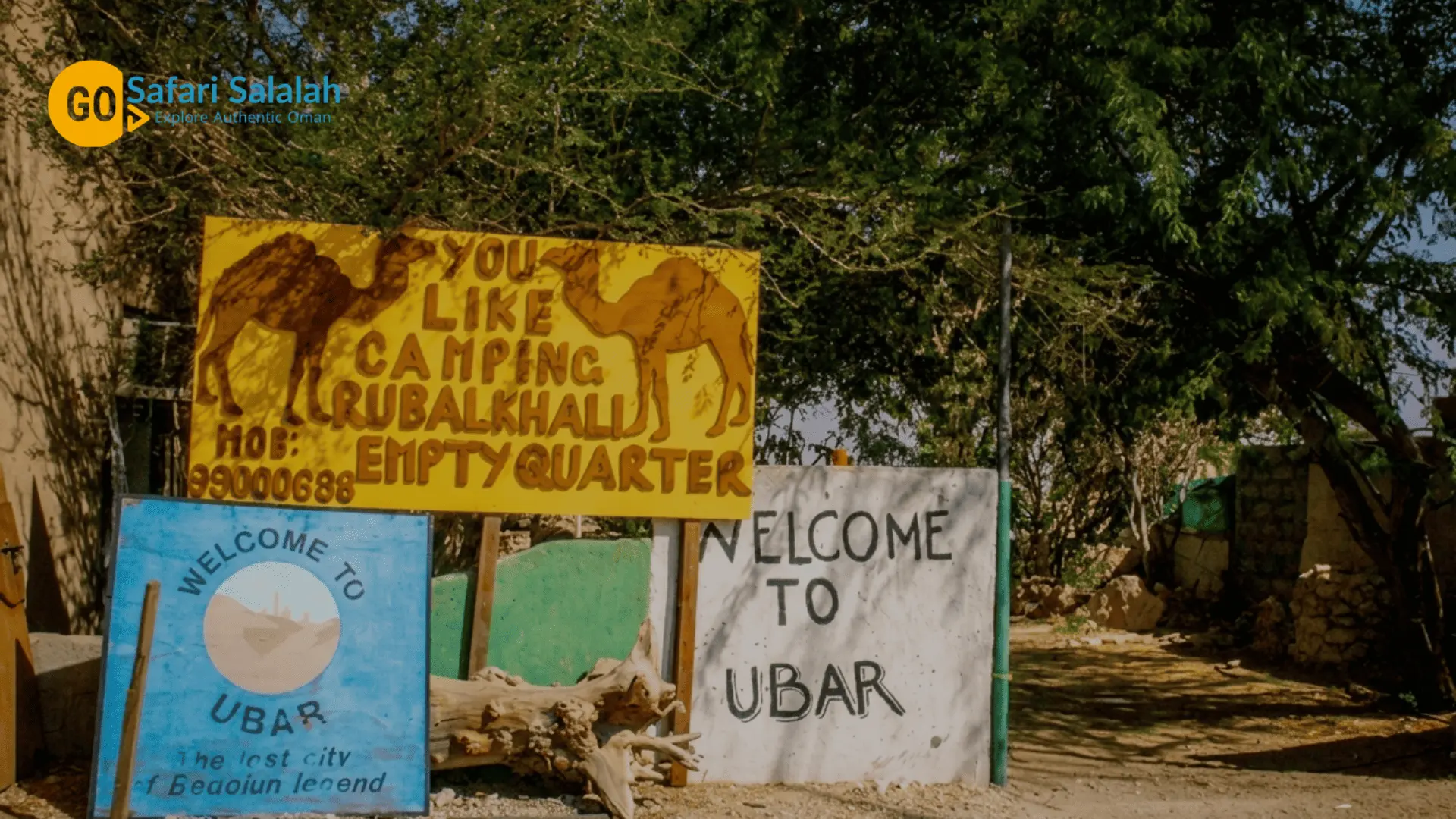
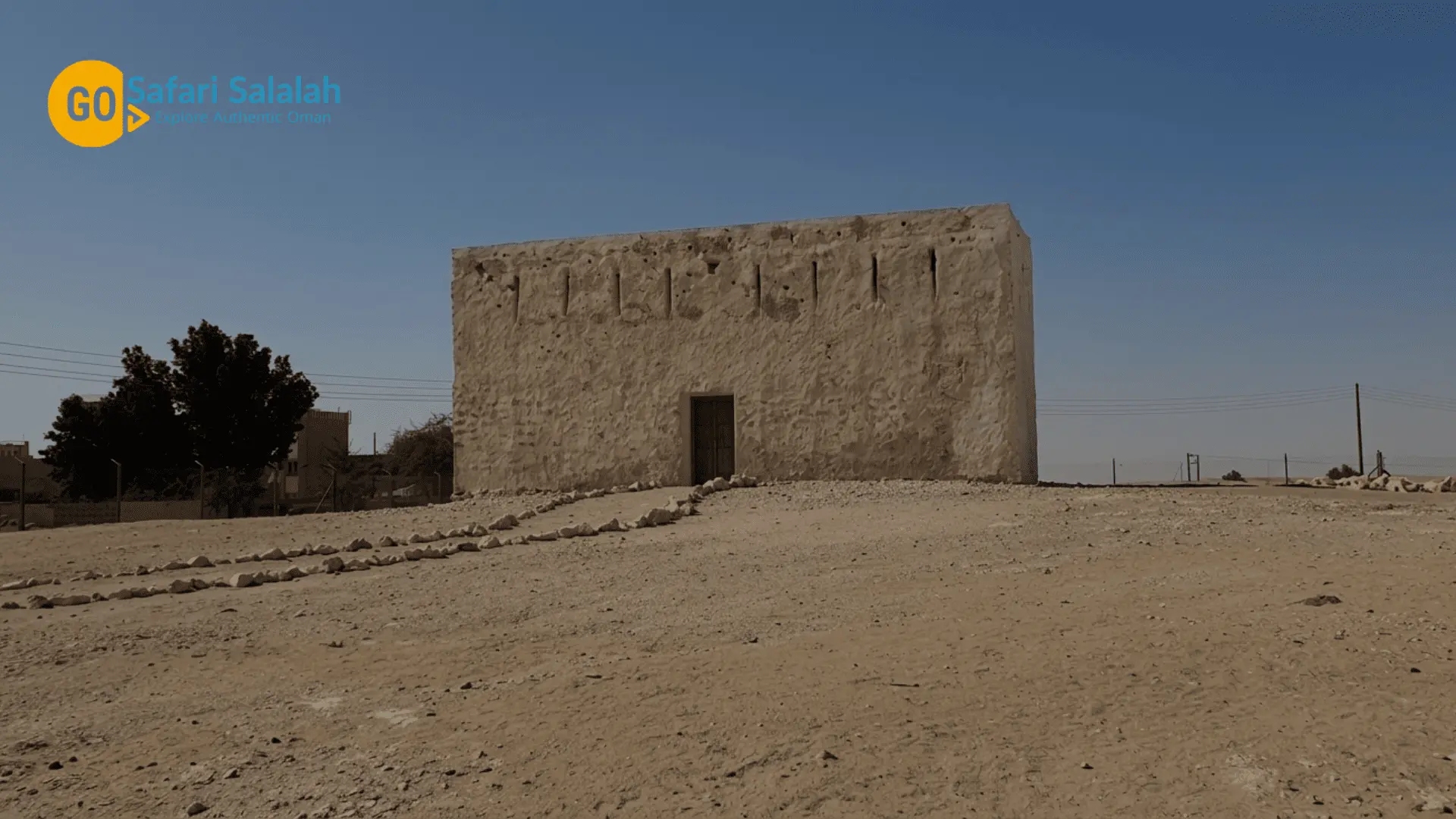
For the modern traveler, visiting the lost city of Ubar is a pilgrimage into the heart of the Omani desert. The site, located in the small village of Shisr about 170 kilometers north of Salalah, is now a UNESCO World Heritage site. While the “golden walls” are gone, the haunting beauty of the ruins provides a tangible connection to the legends of the Atlantis of the Sands.
What to See at the Site
- The Octagonal Fortress: You can walk among the excavated foundations of the towers that Ranulph Fiennes discovered. The scale of the limestone blocks gives you a sense of the city’s former strength.
- The Sinkhole: The most dramatic feature is the massive collapsed cavern. Standing at the edge, you can see exactly how the center of Ubar the lost city was swallowed by the earth.
- The Museum: A small onsite museum displays artifacts found during the dig, including ancient pottery and incense burners that once held the “gold of the desert.”
Travel Tips for the Modern Explorer
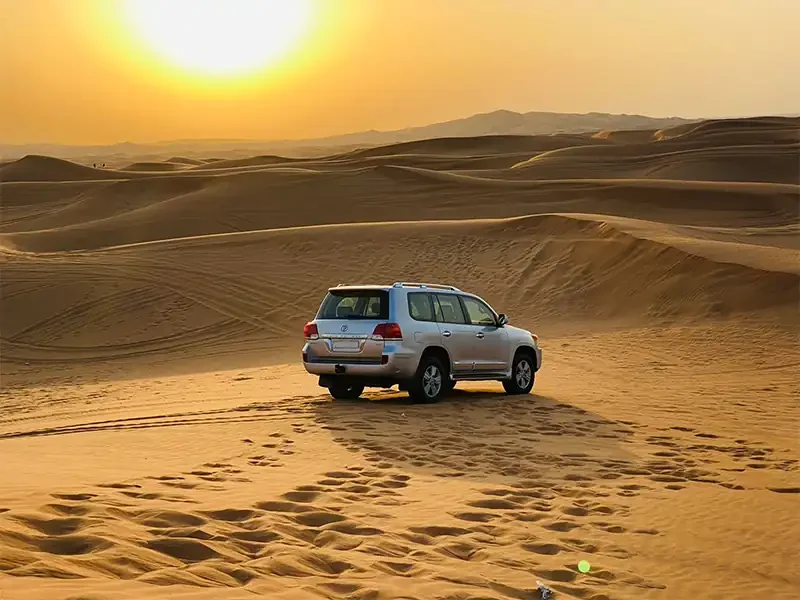
To reach the lost city of Ubar, you will need a 4WD vehicle and a guide who knows the desert tracks. The drive from Salalah takes about 3 hours and takes you through the “Black Desert” before reaching the sand dunes. The best time to visit is between October and March when the temperatures are manageable. Visiting this site is not just about seeing ruins; it’s about experiencing the silence of the Empty Quarter and reflecting on the story of the lost city of Atlantis of the Sands, a city that proved that even the most enduring myths can be true.